
One of the most common questions couples ask before starting their fertility journey is — “What are the chances of IVF working the first time?” While IVF is one of the most advanced and effective fertility treatments available today, success rates vary based on several key factors. Dr. Prajna Shetty, a trusted Fertility Specialist in Nerul, explains what you can realistically expect from your first IVF cycle and what steps can be taken to improve the outcome.
What Is the Average IVF Success Rate on the First Attempt?
On average, the success rate of IVF on the first attempt ranges between 30% to 50% for women under 35, and gradually decreases with age. Here’s a general overview:
Age Group | Approximate First-Time IVF Success Rate |
Under 35 | 40–50% |
35–37 | 30–40% |
38–40 | 20–30% |
Above 40 | 10–20% |
It’s important to note that these figures are averages — individual success depends on multiple clinical and lifestyle factors.
What Factors Affect the Success of IVF on the First Try?
Several factors play a significant role in determining the outcome of your first IVF cycle:

Age of the woman
Younger women typically have better egg quality, which directly impacts success rates.
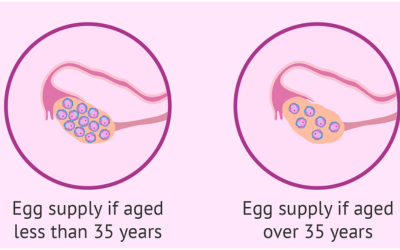
Ovarian reserve
Women with adequate ovarian reserve — assessed through AMH levels and antral follicle count — tend to respond better to stimulation. Learn more about how low AMH affects fertility and its treatments
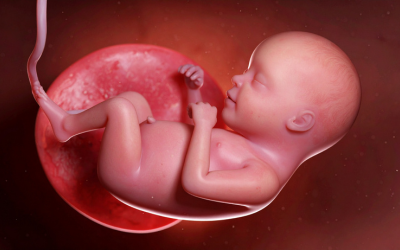
Embryo quality
The development stage and genetic health of embryos significantly influence implantation rates.
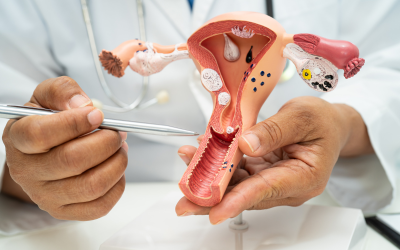
Uterine health
A healthy uterine lining is critical for successful embryo implantation.
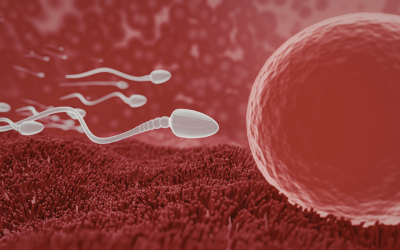
Sperm quality
Male factor infertility can reduce fertilization success. Read about male infertility and its treatments (internal link to relevant blog).

Lifestyle factors
Smoking, obesity, stress, and poor nutrition can all negatively impact IVF success.
How Can You Improve Your Chances of IVF Success the First Time?
Dr. Prajna Shetty recommends the following steps to maximize your first IVF attempt:
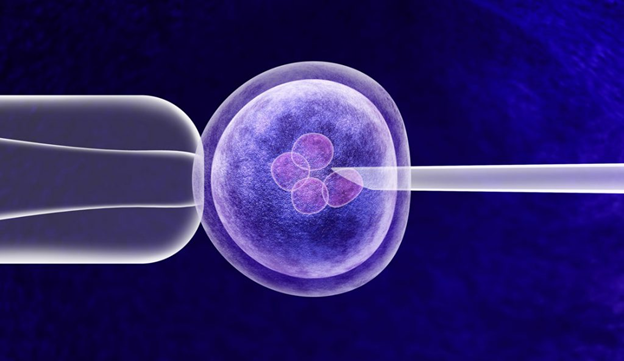
1. Optimize Your Health Before the Cycle
A healthy body responds better to IVF stimulation. Maintaining a balanced diet, healthy weight, and avoiding smoking or alcohol can significantly improve egg and sperm quality. Consider adding fertility-supportive supplements such as CoQ10, folic acid, and Vitamin D — learn more about fertility supplements for women with low ovarian reserve
2. Choose the Right Protocol
Every woman’s body is different. A personalized stimulation protocol tailored to your ovarian reserve, age, and hormonal profile is key to retrieving the optimum number of healthy eggs.
3. Opt for Preimplantation Genetic Testing (PGT)
PGT helps identify chromosomally normal embryos before transfer, which greatly improves implantation rates and reduces miscarriage risk — especially for women over 35.
4. Consider a Frozen Embryo Transfer (FET)
In some cases, transferring a frozen embryo in a subsequent cycle (rather than a fresh transfer) can yield better outcomes due to improved uterine receptivity.
5. Manage Stress and Emotional Well-being
The emotional journey of IVF can be taxing. Counseling, mindfulness, and strong support systems positively contribute to treatment outcomes.
Does IVF Work Better With Multiple Cycles?
It sure does! With each cycle, your chances of having a success get higher. In fact, a lot of couples who fail in their first IVF round end up getting pregnant with the help of a second or third cycle. Also, if your AMH is low, you can talk with your doctor about egg freezing in your early cycles to keep your eggs as a backup for later tries.
When Should You Consider IVF?
IVF is recommended in cases such as:
Fallopian tube blockage or damage
Unexplained infertility
Severe male factor infertility
Low ovarian reserve or low AMH
Failed IUI cycles
Endometriosis
Genetic disorders requiring embryo screening
Dr. Prajna Shetty ensures thorough counselling before the procedure so you go in with realistic expectations and full clarity.
Reach out to Dr. Prajna Shetty if you are thinking of IVF and want to know your individual chances of success. She will be able to give you a detailed evaluation and personalized fertility plan. Your dream of becoming parents is possible with the proper direction and timely action.
Frequently Asked Questions
What is the success rate of IVF on the first attempt?
Women under 35 years of age typically have around a 40 to 50 percent chance of getting pregnant through IVF on their first try. The older you are, the success rate tends to go down, but things like the quality of the embryo, the condition of the uterus, and the quality of the sperm will also have an important effect. Your doctor should be able to give you a more precise answer after examining you personally.
Is it normal if IVF doesn't work the first time?
Certainly! It’s quite common among couples that the first cycle doesn’t result in pregnancy and it’s not a failure at all – it’s how things normally go. Each cycle will give more insights that will help your doctor adjust the treatment and increase your chances for the next one.
Can I do anything to improve my IVF chances naturally?
Definitely. Besides going for a physically fit body, eating good food, doing the IVF supplemented recommended by the doctor, completely stopping smoking and alcohol, and keeping stress at bay will all have a good impact on the result of your IVF. Even minor changes in your lifestyle can make a big difference to your body.
How many IVF cycles does it usually take to get pregnant?
No definite answer – some couples get pregnant after the first attempt, others may need two or three cycles. Overall success rates grow steadily with each cycle, and your doctor will discuss what changes are necessary after each cycle.
Is IVF painful?
Most women are able to cope with IVF. The smaller disruption is the injections and egg retrieval procedure; however, the overall experience is generally quite tolerable. Your healthcare team will do their best to make you as comfortable as possible.
Does age really matter that much for IVF success?
Age is definitely a major factor as it influences the quality of eggs. Of course, there are other elements at play and a lot of women over 38 do have successful IVF. An extensive check-up will assist in managing your expectations while figuring out the best approach for you depending on your age and profile.