
Pregnancy can be an exciting yet emotional journey, especially during the early weeks when many women worry about the possibility of miscarriage. Around the ninth week of pregnancy, the baby is continuing to develop rapidly, and many important organs are already forming. Although the risk of miscarriage decreases as pregnancy progresses, some concerns may still remain during this stage.
Dr. Prajna Shetty, an experienced Fertility Specialist in Nerul, explains that while miscarriages can occur in early pregnancy, most pregnancies at nine weeks continue normally. Understanding the possible risks, symptoms, and preventive care can help expectant mothers feel more informed and confident during this stage of pregnancy.
Is Miscarriage Common at 9 Weeks of Pregnancy?
Miscarriage means when a baby is lost before the 20th week, and a majority of it happens during the first trimester. Even at the ninth week of pregnancy, the chances of miscarriage are already beginning to decrease as compared to the previous weeks.
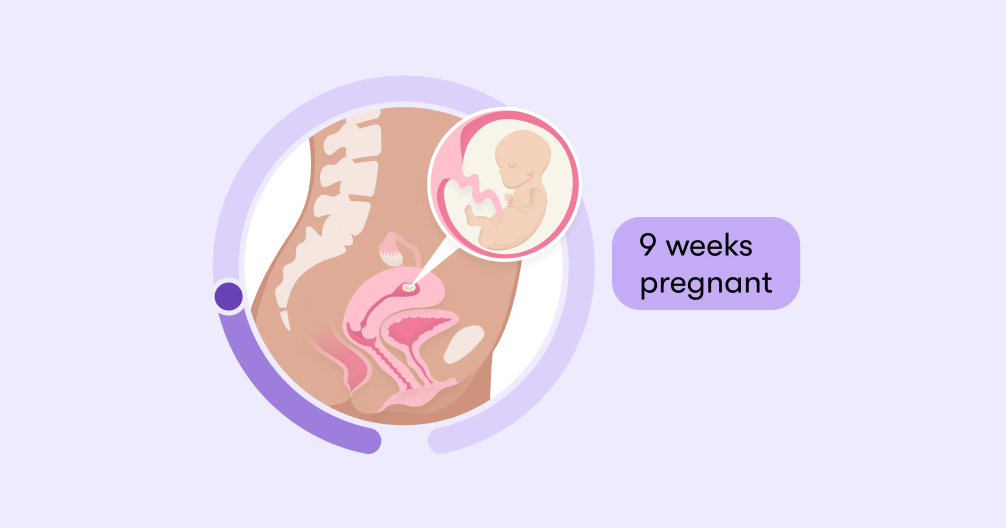
It has been found out that after a heartbeat is heard by the ultrasound, chances of miscarriage are greatly eliminated. Nonetheless, there are still some elements that might affect the results of pregnancy, and, that is why, regular prenatal care is also significant.
Most women in this age group have the normal pregnancy symptoms including nausea, fatigue and breast tenderness that in most cases are positive indications that the pregnancy hormones are working well.
What Causes Miscarriage at 9 Weeks?
Several factors may contribute to miscarriage during the early stages of pregnancy. In many cases, the exact cause may not always be identified. Some common causes include:

Chromosomal abnormalities
Genetic problems in the embryo are one of the most common causes of miscarriage in early pregnancy.

Hormonal imbalance
Low levels of progesterone may sometimes affect the ability of the uterus to support pregnancy.

Uterine abnormalities
Structural issues in the uterus may interfere with normal implantation or fetal development.

Infections
Certain infections may increase the risk of pregnancy complications.

Lifestyle factors
Smoking, excessive alcohol consumption, and drug use can negatively affect pregnancy.
Dr. Prajna Shetty explains that many miscarriages occur due to factors beyond a woman’s control, and experiencing one does not necessarily mean future pregnancies will be affected.
Symptoms That May Indicate a Miscarriage
While mild cramps or spotting can sometimes occur in early pregnancy and may not always indicate a problem, certain symptoms should be taken seriously.
Possible warning signs include:
- Heavy vaginal bleeding
- Severe abdominal or lower back pain
- Passing tissue or clots from the vagina
- Sudden loss of pregnancy symptoms

If any of these symptoms occur, it is important to consult a doctor immediately for evaluation and guidance.
What to do to Minimize the Miscarriage Risk.
Though not every miscarriage can be avoided, healthy habits may help have a safer pregnancy.
Some helpful steps include:
According to Dr. Prajna Shetty, prenatal care enables the doctor to watch the pregnancy carefully and to put on an early check on any concerns he may have.
If you have concerns about early pregnancy or miscarriage risk, consult Dr. Prajna Shetty for expert guidance and personalized fertility care.
Frequently Asked Questions
Do you experience miscarriage at 9 weeks of pregnancy?
The chance of miscarriage goes down by week nine particularly when fetal heartbeat is heard. Nevertheless, there might be some risk even in the first trimester.
Is miscarriage at 9 weeks a result of stress?
Stress levels that are normal are not likely to bring about miscarriage, but when stressed with other factors that are unrelated to health, then it may lead to complications.
Is it normal to spot during pregnancy of 9 weeks?
Premature pregnancy may at times lead to light spotting which does not necessarily signify miscarriage. Nevertheless, excessive bleeding is to be considered by a physician.
It is possible to avoid miscarriage at 9 weeks?
Although not every miscarriage can be avoided, it is possible to support a healthy pregnancy with the help of healthy lifestyle, taking medical recommendations, and attending prenatal examinations.
When is it necessary to consult the doctor in early pregnancy?
Profuse bleeding, abdominal pains, fever, and pregnancy loss symptoms suddenness are conditions to consult a doctor.