
Endometriosis affects a surprising number of women, and one of the first fears that comes up after diagnosis is a simple one: will this stop me from having a baby? It’s a fair worry. The condition can interfere with fertility, but it doesn’t mean pregnancy is off the table.
Many women with endometriosis go on to conceive, some naturally and some with help. Dr. Prajna Shetty, a trusted Fertility Specialist in Nerul, explains that understanding how endometriosis affects the reproductive system is the first step toward choosing the right path forward.
What Endometriosis Actually Does to Fertility

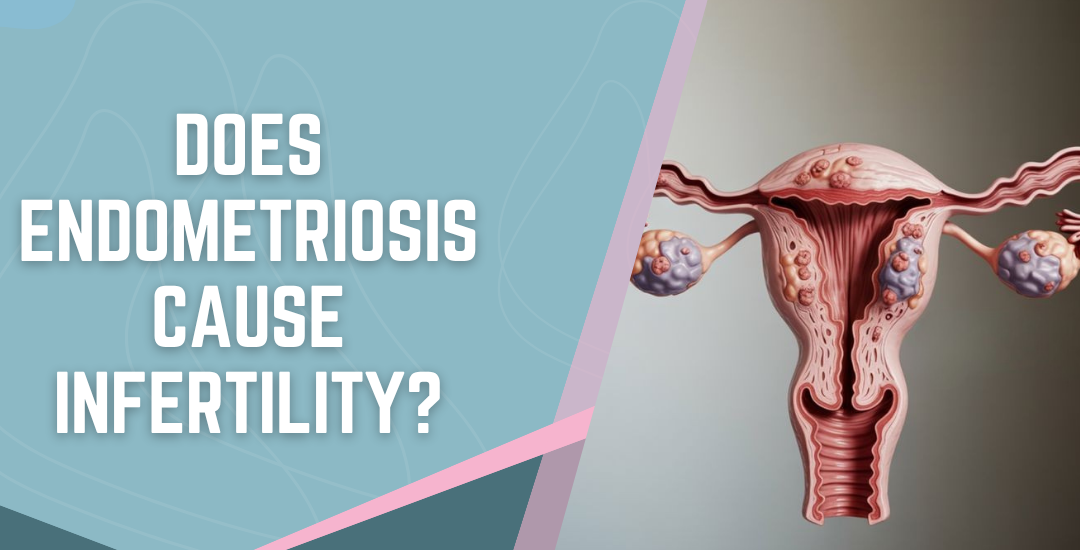
Endometriosis is a condition in which tissue that resembles the uterine lining is found outside the uterus, in most cases it is spread over the surface of the ovaries, lining of the fallopian tubes, or pelvic walls. This tissue still acts like the inside lining, getting swollen and bleeding each month, but since it is outside, it has no way of escaping. This leads to inflammation, the formation of scar tissue, and in some cases adhesions that stick the organs together.
What impact does this have on fertility? Several In fact. The scar tissue can block or change the shape of the fallopian tubes. Endometriomas, which are ovarian cysts, can reduce the quality of eggs and the ovarian reserve. The inflammatory reaction due to endometriosis, by itself, creates a situation unfavorable for fertilization and implantation.
How Severe Does It Have to Be?
Here’s something many women don’t expect. The stage of endometriosis doesn’t always match the impact on fertility.
1.Mild Endometriosis
Even minimal disease can lower monthly conception rates, largely because of inflammation rather than physical blockage. Some women conceive without difficulty. Others struggle despite a “mild” label.
2. Moderate to Severe Endometriosis
This is where structural problems show up — distorted anatomy, blocked tubes, large endometriomas. Natural conception becomes less likely, and fertility treatment is often recommended sooner rather than later.
A point worth remembering: a low stage doesn’t guarantee easy conception, and a high stage doesn’t make pregnancy impossible. Each case needs its own assessment.
Treatment Options That Can Help
The good news is that endometriosis-related infertility is treatable. The approach depends on age, severity, and how long you’ve been trying.

Laparoscopic surgery
removing or destroying endometrial tissue and adhesions can restore anatomy and improve natural conception chances, especially in younger women.

Ovulation induction with IUI
often a first step for mild cases where the tubes are open.

IVF treatment
frequently the most effective route for moderate to severe cases, since it bypasses the tubes entirely. The American Society for Reproductive Medicine notes that IVF success rates for women with endometriosis are comparable to those with other causes of infertility when treated appropriately.
Timing matters too. For women over 35, waiting too long can reduce options, so early evaluation is sensible.
When to Consult a Fertility Specialist
If one of your biggest concerns is endometriosis and you are not able to get pregnant after trying, then checking yourself sooner than later would be the right thing to do.
Here are some pointers when you should consider asking for help:
Trying for six months or more and not getting pregnant It’s either you already have endometriosis or there’s a strong suspicion of it Periods are very painful or sex results in pain Ovarian cysts and pelvic surgeries are part of your medical history

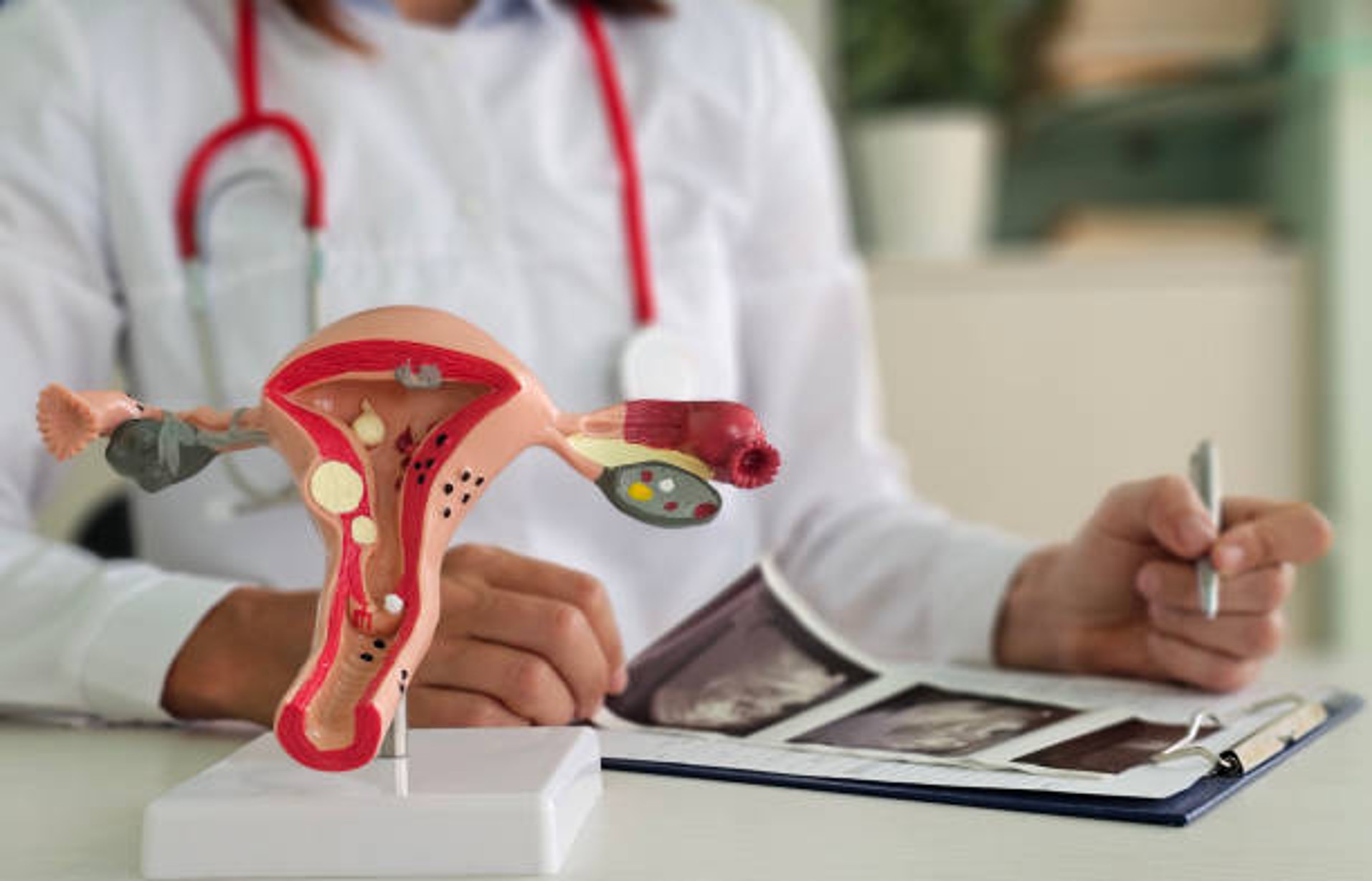
With the help of a fertility expert, you can get tests like an ultrasound scan, hormonal assay, or even a laparoscopic procedure to better understand the problem and come up with a therapeutic approach that is really you.
Conclusion
So, does endometriosis cause infertility? It can, but it’s far from a guaranteed outcome. The condition affects fertility through inflammation, scarring, and anatomical changes, yet a wide range of treatments exist to work around these problems. Many women with endometriosis become mothers, often with the right medical support at the right time. Early evaluation and a personalised plan make all the difference.
Frequently Asked Questions
Can I get pregnant naturally with endometriosis?
Really, quite a few women with mild to moderate endometriosis do get pregnant naturally, but usually it takes longer than expecting.
Does endometriosis always cause infertility?
Of course not. Most women with endometriosis do not experience any difficulties in getting pregnant and in fact have healthy pregnancies.
Is IVF a good option for endometriosis patients?
Definitely, IVF is usually very successful, Most of all in cases where the tubes are damaged by moderate or severe endometriosis.
Can surgery improve fertility in endometriosis?
Yes, very often. The laparoscopic excision of endometrial lesions can not only remove the source of pain but also restore the normal structures, which enables natural conception.