
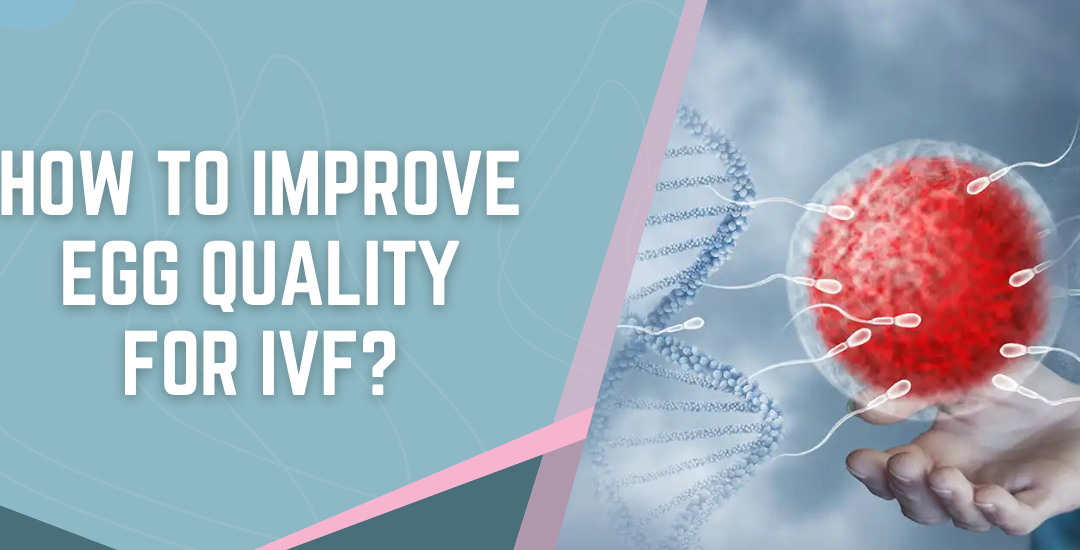
Egg quality is one of the biggest factors that decides whether an IVF cycle succeeds. You can have a good number of eggs, but if their quality is poor, fertilisation and healthy embryo development become harder. The good news is that egg quality isn’t entirely fixed. With the right lifestyle changes, medical support, and timing, many women can give their eggs a better chance. Dr. Prajna Shetty, a trusted Fertility Specialist in Nerul, Navi Mumbai, explains what egg quality really means and the practical steps that can help improve it before IVF.
Understanding Egg Quality and Why It Matters for IVF
Egg quality refers to the genetic and structural health of an egg, specifically its ability to fertilise, develop into a healthy embryo, and result in a successful pregnancy. A good quality egg has the correct number of chromosomes and enough energy reserves to support early embryo growth.
As women age, especially after 35, the proportion of chromosomally abnormal eggs increases. This is why egg quality, not just egg quantity, becomes central to IVF outcomes. Two women may have the same egg count, but very different success rates depending on quality.
Can Egg Quality Be Improved Before IVF?
This is one of the questions Dr. Prajna Shetty hears most often, and the honest answer is: “You cannot reverse the age of your eggs, but you can improve the environment in which they mature.”
Eggs take around 90 days to fully develop before ovulation. That three-month window matters a lot. Because the choices you make during it, your nutrition, sleep, stress, and medical support, can shape how well your eggs mature. So no, you can’t turn the clock back. But you can build better conditions for the eggs you already have.
Diet and Nutrition for Better Egg Quality
Diet does play a real role in reproductive health, and a few nutrients matter more than others for your eggs.

Antioxidants
Vitamins C and E, plus foods like berries, leafy greens, and nuts, help shield eggs from oxidative stress.

Omega-3 fatty acids
Found in fish, flaxseeds, and walnuts, these support hormone balance and egg cell health.

Folate and B vitamins
Needed for healthy cell division and fewer chromosomal errors.

Protein and iron
Important for overall reproductive function and the quality of ovulation.
A balanced, whole-food diet with less processed sugar and trans fat gives your eggs a solid nutritional base during that critical window.
Fertility Supplements That Support Egg Quality
A handful of supplements get used often in fertility medicine to support egg quality. Always take them under medical guidance though.

- CoQ10: Helps with the energy production inside egg cells and gets recommended a lot for women over 35.
- Myo-inositol: Especially useful for women with PCOS, since it improves egg quality and ovulation.
- Vitamin D: Low levels link to poorer IVF outcomes, so fixing a deficiency really does matter.
- DHEA: Sometimes advised for women with low ovarian reserve, but only when it’s prescribed.
Dr. Prajna Shetty picks the right combination based on your own reports, not a generic list. Because what works for one woman won’t always suit another.
Lifestyle Habits That Influence Egg Health
Your everyday habits affect hormonal balance and blood flow to the ovaries. And both of those shape egg health.
- Sleep: Poor sleep throws off reproductive hormones, so aim for 7–8 hours of decent rest.
- Stress: Long-term stress pushes up cortisol, which can get in the way of ovulation and egg maturation.
- Smoking and alcohol: Both are strongly tied to weaker egg quality and should stop well before IVF.
- Exercise: Moderate, regular movement helps circulation, but overdoing it can hurt fertility.
Small, steady changes over three months usually do more than any dramatic last-minute effort right before a cycle.
Medical Conditions That Affect Egg Quality

A few underlying conditions can change how well your eggs mature and how they respond to IVF stimulation.
- PCOS: Can affect egg maturation and hormone balance, though it’s often manageable with the right protocol.
- Endometriosis: May lower egg quality and ovarian reserve over time.
- Thyroid disorders: Untreated thyroid issues can disturb ovulation and egg health.
- Insulin resistance: Messes with hormone signalling and links to poorer egg quality.
Spotting and managing these before IVF starts gives your eggs a better chance to develop well.
How Your Fertility Specialist Optimises Egg Quality During IVF
Lifestyle changes aside, your fertility team plays a direct part in getting egg quality right during treatment.
- Personalised stimulation protocols: Medication is matched to your ovarian reserve and hormone levels.
- Careful monitoring: Regular scans and blood tests help time egg retrieval at the right point of maturity.
- Pre-cycle preparation: A few months of supplements and lifestyle guidance before stimulation begins.
- Advanced lab techniques: A good embryology lab handles eggs and embryos with the precision quality demands.
Dr. Prajna Shetty builds each IVF plan around your specific reports, because egg quality support isn’t one-size-fits-all.
When to Start Preparing for IVF
Ideally, you’d begin preparing at least three months before your IVF cycle, since that matches the natural egg maturation timeline. Starting early gives supplements, diet changes, and lifestyle tweaks enough time to actually reach the eggs that get retrieved.
Planning IVF? The best first step is a full fertility evaluation to understand your current egg quality and reserve. From there, a customised prep plan can be built for you.
If you’re getting ready for IVF and want to give your eggs the best possible chance, don’t leave egg quality to guesswork. The right plan, started at the right time, can really improve your outcome.
Frequently Asked Questions
Is it possible to enhance egg quality after 35 years old?
Technically, you cannot undo egg ageing, but even those women past 35 years can still improve the conditioning of eggs when they are maturing by having a good diet, taking supplements e. g. CoQ10, and changing lifestyle. Making changes is completely do-able, and they will be most effective if done at least three months before IVF.
How much time is required to see the changes in egg quality?
From the time eggs start maturing until they are released during ovulation takes approximately 90 days. So, any change in diet, supplement intake, or lifestyle that will have an effect on the quality of eggs obtained in an IVF cycle must be implemented for about three months.
Which is the best supplement for improving egg quality?
CoQ10 is among the supplements most suggested for enhancing egg quality, Mainly in women aged 35 and over, as it offers support for the energy requirements of eggs during their maturation. But, a suitable plan should be formulated based on your diagnostic reports.
Does egg quality affect IVF success more than egg quantity?
Actually, egg quality usually plays a bigger role than quantity, since only a good egg can be fertilised, develop into a potent embryo, and result in a pregnancy. For instance, ladies with quite similar egg numbers can see their IVF results vary A lot due to differences in quality.
Can PCOS patients improve egg quality?
PCOS women can do a lot for egg quality after all. Their approach has to be the right one, for example, myo-inositol, a proper diet to keep blood sugar levels, weight control, and with these, a stimulation protocol that is specially designed by their fertility expert.
What foods should I avoid to protect egg quality?
The main culprits for unhealthy eggs are processed foods, trans fats, too much sugar, alcohol, and smoking. Eliminating or drastically cutting down on them should be your rule long before you start IVF chain of activities.