
Blogs
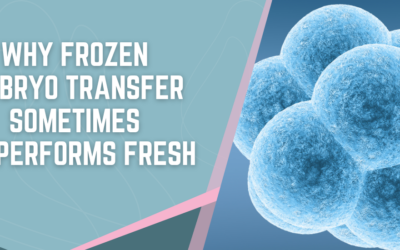
Why Does Frozen Embryo Transfer Sometimes Outperform Fresh?
Frozen embryo transfer often does better than fresh, and here's why: the body gets a chance to recover from the heavy hormone push used during egg retrieval. That recovery? It leaves behind a far more welcoming uterine lining for the embryo to settle into. Now...
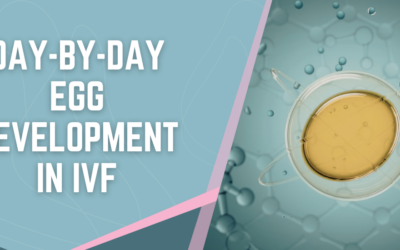
How Do Your Eggs Develop Day by Day in an IVF Cycle?
Eggs in an IVF cycle take roughly 10 to 12 days of hormone stimulation to grow from tiny follicles, and then 3 to 5 more days inside the lab to reach embryo stage. Here's how that breaks down. Fertilization on day 1. Cleavage on days 2 and 3. By day 5, most viable...
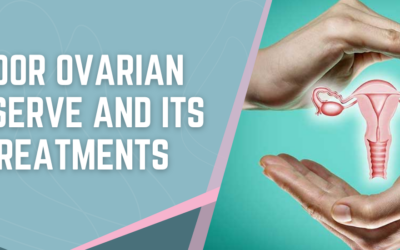
Poor Ovarian Reserve: How Can It Be Treated?
Poor ovarian reserve (POR), also called diminished ovarian reserve (DOR), means the ovaries contain fewer eggs than expected for a woman's age. It's tied primarily to aging and can't be reversed. Treatment doesn't bring eggs back. It works with what's left: IVF using...
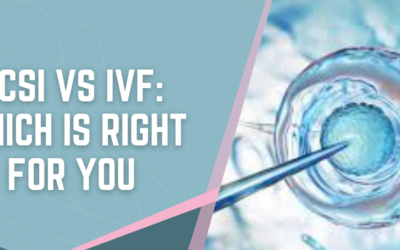
ICSI vs IVF: Which Fertility Treatment Is Right for You?
ICSI and IVF are both assisted reproduction procedures, but ICSI is the call when sperm can't fertilize an egg without help, while IVF works when sperm function is normal and the infertility cause sits elsewhere. The difference is what happens inside the lab: ICSI...
Success Rate of IVF First Time
One of the most common questions couples ask before starting their fertility journey is — "What are the chances of IVF working the first time?" While IVF is one of the most advanced and effective fertility treatments available today, success rates vary based on...

Should I Freeze My Eggs at 35?
Turning 35 and thinking about your fertility future is more common than ever. Whether you're focused on your career, haven't found the right partner yet, or simply want to keep your options open, egg freezing at 35 is a question many women are asking — and for good...
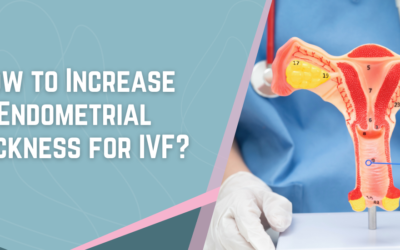
How to Increase Endometrial Thickness for IVF
Preparing for IVF involves several important steps, and one of the most critical factors for success is the health of the uterine lining. The endometrium, which is the inner lining of the uterus, plays a vital role in helping the embryo implant and grow. If the lining...

Risk Of Miscarriage At 9 Weeks
Pregnancy can be an exciting yet emotional journey, especially during the early weeks when many women worry about the possibility of miscarriage. Around the ninth week of pregnancy, the baby is continuing to develop rapidly, and many important organs are already...
Low AMH and Natural Pregnancy: Is It Possible?
Low AMH (Anti-Müllerian Hormone) levels often lead to concerns about a woman’s fertility potential, especially when it comes to natural conception. While low AMH is typically linked to a lower ovarian reserve, it’s essential to understand that it doesn’t necessarily...
Top 5 Treatments for Low AMH
Low AMH (Anti-Müllerian Hormone) levels are often a cause of concern for women trying to conceive, as they indicate a lower ovarian reserve. While low AMH can decrease the likelihood of natural conception, there are treatments available that can improve fertility...