
Blogs
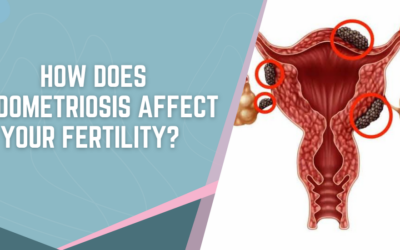
How Does Endometriosis Affect Your Fertility?
Endometriosis sits behind 30 to 50% of female infertility cases. Many women carrying it had no symptoms worth reporting. Tissue grows where it shouldn't, bleeds every cycle, and scars what's around it. That inflammation doesn't just block tubes. It changes the...
Natural Pregnancy After Failed IVF
When an IVF cycle doesn't work, it can feel like the end of the road. But for many couples, it isn't. Quite a few go on to conceive naturally in the months that follow, with no further treatment. If your cycle didn't succeed, you may be quietly wondering whether a...
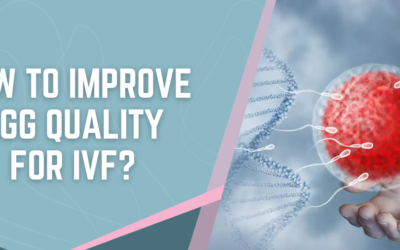
How to Improve Egg Quality for IVF?
Egg quality is one of the biggest factors that decides whether an IVF cycle succeeds. You can have a good number of eggs, but if their quality is poor, fertilisation and healthy embryo development become harder. The good news is that egg quality isn't entirely fixed....
What Does Your AMH Report Actually Mean?
AMH is produced by granulosa cells in the ovaries. Its level shows how many follicles are active right now. Unlike FSH, it doesn't shift across the menstrual cycle, so it can be tested any day and gives the same reading. But the number only tells you about quantity....
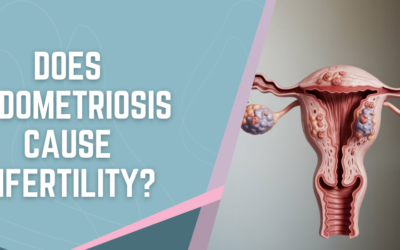
Does Endometriosis Cause Infertility?
Endometriosis affects a surprising number of women, and one of the first fears that comes up after diagnosis is a simple one: will this stop me from having a baby? It's a fair worry. The condition can interfere with fertility, but it doesn't mean pregnancy is off the...
Bleeding After a Positive IVF Test
After weeks of waiting, a positive IVF test brings overwhelming joy — so noticing any bleeding afterward can be deeply unsettling. The good news is that bleeding in early IVF pregnancy is far more common than most couples realize, and it does not always signal a...
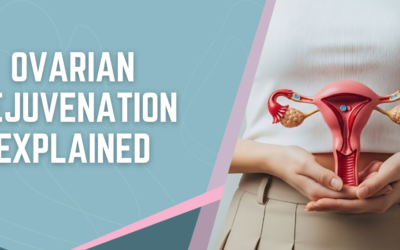
What Can Ovarian Rejuvenation Actually Do For You?
Platelet-rich plasma drawn from a woman's own blood, processed and injected directly into the ovarian tissue. That's essentially what ovarian rejuvenation is. The growth factors in PRP are thought to stimulate follicular activity, potentially push AMH levels up, and...
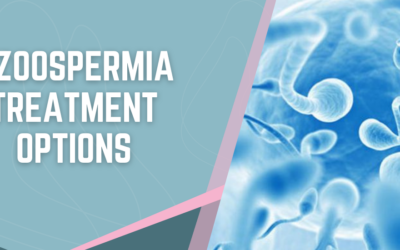
Diagnosed With Azoospermia? What Are Your Options?
Azoospermia is the complete absence of sperm in the ejaculate. It affects about 1% of men and sits behind 10 to 15% of male infertility cases. Two types exist: obstructive, where sperm production is fine but a blockage stops it from reaching the semen, and...
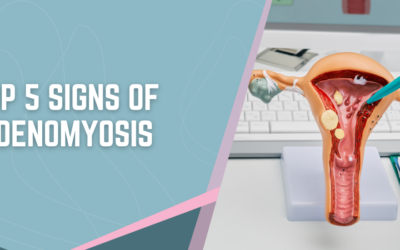
Top 5 Signs of Adenomyosis
Adenomyosis is a condition where the inner lining of the uterus starts growing into the muscular wall of the uterus, often leading to painful periods, heavy bleeding, and fertility concerns. Many women live with it for years without realising what's actually wrong,...
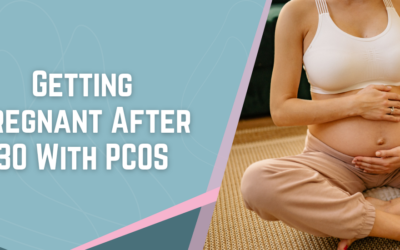
Getting Pregnant After 30 With PCOS
If you're past 30, dealing with PCOS, and trying to start a family, you're probably feeling a mix of hope, anxiety, and a hundred unanswered questions. The good news? PCOS does not mean you cannot get pregnant. It just means your fertility journey may need a little...