
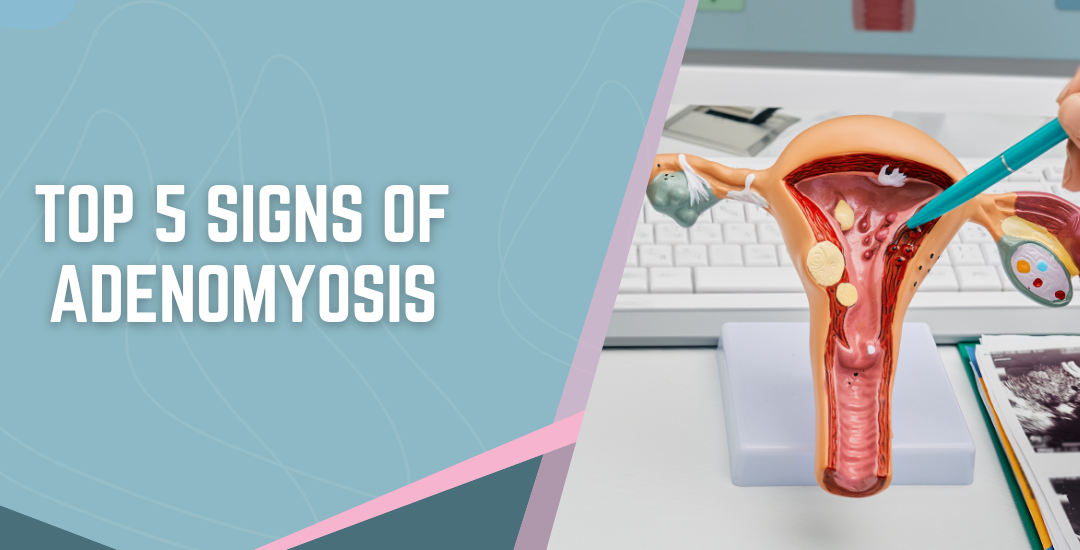
Adenomyosis is a condition where the inner lining of the uterus starts growing into the muscular wall of the uterus, often leading to painful periods, heavy bleeding, and fertility concerns. Many women live with it for years without realising what’s actually wrong, often passing off the symptoms as “normal period pain.” Dr. Prajna Shetty, a trusted Fertility Specialist in Nerul, shares the top 5 signs of adenomyosis that women should never ignore, especially if they’re planning a pregnancy or struggling with unexplained pelvic discomfort.
What is Adenomyosis and Why Does It Matter?
Adenomyosis happens when the endometrial tissue, which normally lines the uterus, begins to grow into the myometrium, the thick muscular wall of the uterus. This causes the uterus to become enlarged, tender, and inflamed during each menstrual cycle. Although it is often confused with endometriosis or fibroids, adenomyosis is a separate condition with its own pattern of symptoms. It can affect a woman’s quality of life and, in some cases, her ability to conceive. Early detection makes a real difference in how well it can be managed.
Sign #1: Heavy and Prolonged Menstrual Bleeding

One of the most common and earliest signs of adenomyosis is unusually heavy menstrual bleeding, also known as menorrhagia. Women may notice that they need to change pads or tampons every couple of hours, pass large blood clots, or have periods that last longer than seven days. According to Dr. Prajna Shetty, persistent heavy bleeding should never be brushed aside as just “a bad cycle.” Over time, it can also lead to anaemia, fatigue, and weakness, which further affects daily life and overall health.
Sign #2: Severe Menstrual Cramps and Pain

Painful periods are common, but the pain caused by adenomyosis tends to be far more intense and disruptive. Women often describe it as deep, throbbing cramps that begin a few days before the period and continue throughout it. Painkillers may offer little relief, and the pain can interfere with work, sleep, and routine activities. This kind of severe dysmenorrhea is one of the strongest indicators that something more than ordinary period pain is going on inside the uterus.
Sign #3: Chronic Pelvic Pain and Pressure

Apart from period-related pain, women with adenomyosis may also experience a constant, dull ache or pressure in the lower abdomen even when they are not menstruating. This chronic pelvic discomfort is caused by the enlarged and inflamed uterus pressing on surrounding tissues. Some women feel a heaviness in the pelvic region, a pulling sensation, or even lower back pain. If pelvic pain is affecting your daily routine, it is a clear sign you should see a fertility specialist for a proper evaluation.
Sign #4: Painful Intercourse

Pain during or after sexual intercourse, medically known as dyspareunia, is another sign that often points toward adenomyosis. The thickened uterine wall and inflamed tissues can make intercourse uncomfortable or painful, especially with deep penetration. Many women feel hesitant to talk about this symptom, but it is an important clue. Dr. Shetty emphasises that painful intercourse should be openly discussed with a gynaecologist, as it can affect both emotional well-being and intimate relationships.
Sign #5: Enlarged Uterus and Abdominal Bloating

Often, adenomyosis causes the uterus to enlarge beyond the size it should be, which can happen so much that a person feels full, bloated, or experiences a sense of pressure in the lower part of the abdomen. For some women, the lower abdomen appears slightly swollen, almost like the initial stages of pregnancy. This uterine enlargement, with bloating and tenderness, is usually detected via pelvic examination or can be confirmed by ultrasound and MRI scans. If you are experiencing bloating on a regular basis, and painful, heavy menstrual bleeding, you should consider having a check-up.
If you’re noticing any of these signs and worried about adenomyosis or its impact on your fertility, don’t hesitate to reach out to Dr. Prajna Shetty for an accurate diagnosis, personalised treatment, and expert guidance on protecting your reproductive health.
FAQs
Q. Can adenomyosis prevent me from getting pregnant?
A. It is true that adenomyosis can cause fertility issues from disrupting the uterine environment and making it hard for the embryo to implant. But, if you undergo proper treatment and fertility support, there is a good chance that you will conceive.
Q. What tests determine adenomyosis?
A. Adenomyosis is most often identified by pelvic examination, transvaginal ultrasound, and MRI scans. Thorough assessment by a fertility doctor not only confirms the diagnosis but also eliminates other possibilities such as fibroids.
Q. Are adenomyosis and endometriosis the same thing?
A. No, these conditions are related to endometrial tissue but they are totally different. Endometriosis occurs when endometrial tissue grows outside the uterus whereas in adenomyosis the tissue is embedded deep in the uterine muscle wall.
Q. What treatments are available for adenomyosis?
A.The treatment really hinges on how intense the symptoms are and if the woman still wants to have children or not. The possibilities are hormonal therapy, handling pain, less invasive procedures, and for very serious cases, surgery under the direction of a specialist.