

Turning 35 and thinking about your fertility future is more common than ever. Whether you’re focused on your career, haven’t found the right partner yet, or simply want to keep your options open, egg freezing at 35 is a question many women are asking — and for good reason. Dr. Prajna Shetty, a trusted Fertility Specialist in Nerul, Navi Mumbai, breaks down everything you need to know about egg freezing at 35, including the benefits, realistic success rates, and who it’s the right choice for.
What Happens to Your Eggs After 35?
After the age of 35, a woman’s ovarian reserve — the number of eggs available — begins to decline at a faster rate. More importantly, egg quality also decreases, which raises the risk of chromosomal abnormalities and makes natural conception harder. This is why 35 is often considered a turning point in reproductive medicine.
However, declining fertility does not mean the end of fertility. Many women at 35 still have a healthy egg reserve, making this the right window to act if you are considering egg freezing. The earlier you freeze, the better the quality of eggs that can be preserved.
What Is Egg Freezing and How Does It Work?
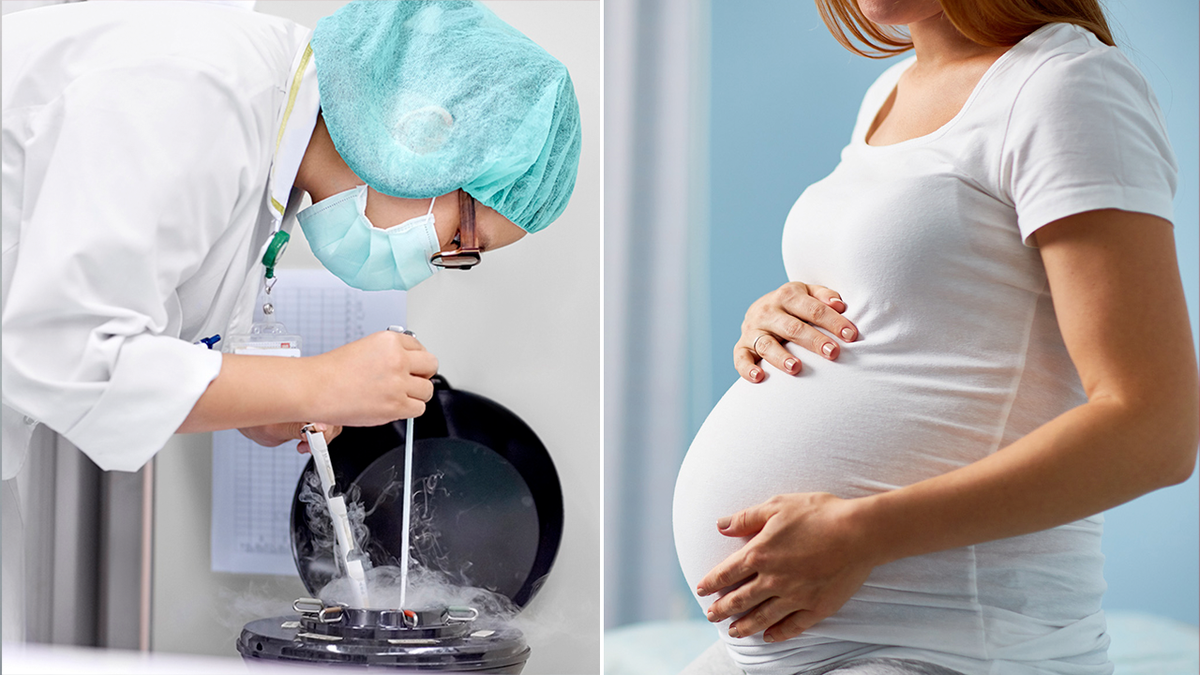
Egg freezing, medically known as oocyte cryopreservation, is a fertility preservation technique that involves stimulating the ovaries to produce multiple eggs, retrieving them, and storing them at sub-zero temperatures for future use. Here’s a simple breakdown of the process:
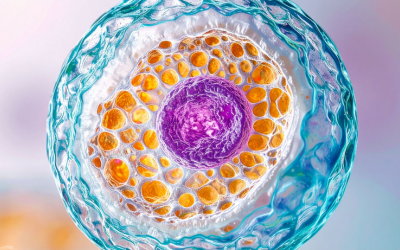
Ovarian Stimulation
Hormonal injections are given over 10–14 days to stimulate the ovaries to produce multiple mature eggs instead of the usual one.
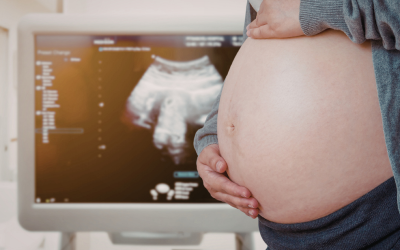
Monitoring
Regular ultrasounds and blood tests are done to track egg development and adjust medication doses.
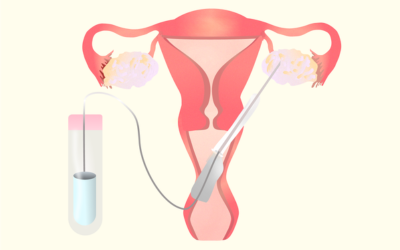
Egg Retrieval
Once the eggs are mature, a minor procedure is done under sedation to collect them from the ovaries using a fine needle guided by ultrasound.

Vitrification (Flash Freezing)
The retrieved eggs are rapidly frozen using a process called vitrification, which prevents ice crystal damage and preserves egg quality effectively.
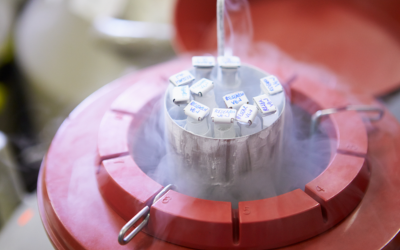
Storage
Frozen eggs can be stored for several years and used when you are ready — through IVF — to achieve pregnancy.
Is 35 Too Late to Freeze Your Eggs?
This is the most common question Dr. Prajna Shetty receives in her clinic, and the answer is: “No, 35 is not too late, but timing is everything!”
The optimal age range for egg freezing is 28-34 years, when the quality and quantity of eggs are optimal. While freezing eggs is definitely possible at the age of 35, the implications are:
Your ovarian reserve, i.e., AMH levels, antral follicle count, etc., may be slightly lower, meaning the number of eggs obtained from the cycle may be fewer
The quality of eggs starts to deteriorate, meaning more eggs may need to be frozen in order to conceive successfully in the future
More than one stimulation cycle may be required to retrieve a sufficient number of eggs
However, it must be noted that many women aged 35 respond very well to the stimulation protocol, freezing healthy eggs in the process. The first step, in fact, is to get your fertility evaluated, rather than assuming it is too early or too late!
How Many Eggs Should You Freeze at 35?
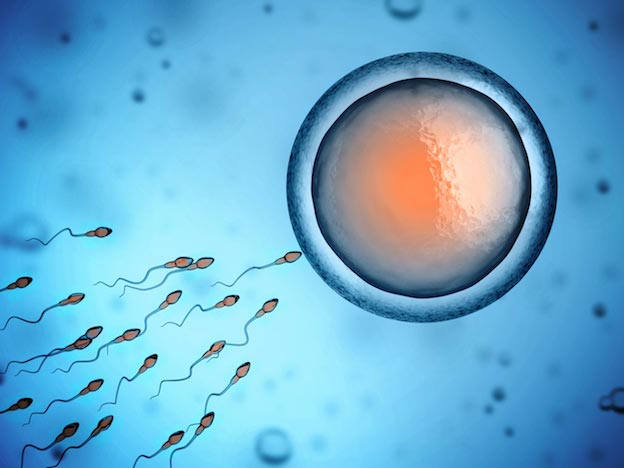
Fertility specialists generally recommend freezing 10–20 mature eggs to have a reasonable chance of achieving at least one successful pregnancy in the future. At 35, since egg quality is beginning to decline, aiming for the higher end of this range is advisable.
This is why an AMH test, antral follicle count (AFC) via ultrasound, and a complete fertility evaluation are recommended before starting egg freezing. Dr. Prajna Shetty customises stimulation protocols based on your ovarian reserve to maximise the number and quality of eggs retrieved.
Egg Freezing Success Rates at 35 — What to Expect
Success rates with frozen eggs depend on several factors: the age at which eggs were frozen, the number of eggs stored, the quality of the embryology lab, and individual health factors.
At 35, the live birth rate per frozen egg is generally estimated at around 5–7%. This means freezing 10–15 mature eggs gives a cumulative success rate of roughly 40–60% for achieving at least one pregnancy — a meaningful insurance policy for your fertility.
Compared to freezing at 38 or 40, eggs frozen at 35 tend to have significantly better outcomes. Acting sooner rather than later gives you more options and better odds.
Who Should Consider Egg Freezing at 35?
Egg freezing at 35 is a particularly good option if you:
Are single or in a relationship not yet ready for parenthood
It is equally important to know that egg freezing may not be necessary for every woman at 35. Some women at this age conceive naturally without difficulty. A personalised fertility assessment helps determine whether egg freezing is the right step for you.
What Are the Risks of Egg Freezing at 35?
Egg freezing is considered a safe and well-established procedure, but like any medical intervention, it carries some risks:
Ovarian Hyperstimulation Syndrome (OHSS)
In rare cases, the ovaries may over-respond to stimulation, causing bloating, discomfort, and fluid accumulation. This is closely monitored and managed by your fertility specialist.
Low Response to Stimulation
At 35, some women may produce fewer eggs than expected, requiring an additional cycle.
Emotional Stress
The process involves daily injections, frequent monitoring visits, and emotional investment. Having the right support system is important.
No Guarantee of Pregnancy
Egg freezing preserves the option, but does not guarantee a future pregnancy. Success depends on multiple variables at the time of use.
Dr. Prajna Shetty ensures thorough counselling before the procedure so you go in with realistic expectations and full clarity.
Egg Freezing vs. Embryo Freezing — Which Is Better at 35?
Embryo freezing (freezing fertilised eggs) is usually seen as a more reliable method than egg freezing, particularly if you have a partner or are using donor sperm, because the embryos have a marginally better survival rate after thawing. On the other hand, if you are single or wish to maintain your flexibility, egg freezing would be the way to go. Dr. Prajna Shetty will explore the pros and cons of both methods with you in the session and assist you in making a well-informed choice that suits your situation.
How Much Does Egg Freezing Cost in Nerul, Navi Mumbai?
The cost of egg freezing in Navi Mumbai will involve costs associated with hormonal injections, egg retrieval, and annual storage fees. The cost will vary depending on how many cycles are required and how well an individual responds to the injections.
It would be best to consult Dr. Prajna Shetty, where detailed information will be given, along with transparent and ethical advice, avoiding unnecessary procedures.
If you are 35 and thinking about your fertility future, now is the right time to get clarity. Don’t wait until the window narrows further.
Frequently Asked Questions
Is it still possible for me to freeze eggs at 35 if my AMH is low?
Yes, it definitely could, although a low AMH level may indicate that the number of eggs obtained during each cycle may be lower. Usually, multiple cycles are suggested in these situations in order to accumulate enough eggs. The first step would be a personal assessment of your reserve level by Dr. Prajna Shetty who will then provide you with further advice.
How long is it possible to keep frozen eggs?
Generally speaking, frozen eggs are safe for 5 to 10 years or even longer, depending on the cryopreservation facility and any governing laws. The quality of eggs that have been vitrified properly holds up very well during this time frame.
Does egg freezing hurt?
Some women do experience slight discomfort or bloating from the daily hormone injections. The egg collection is carried out while you are under sedation, so there is no pain involved. Most of the time, women get back to their usual activities within 12 days after egg collection.
What is the best age to freeze eggs?
The best time to freeze eggs is generally between ages 28 and 34. However, if you are 35, this is still a good time to consider it. Since egg quality declines with age, the sooner you freeze your eggs, the better quality can be preserved.
Should I freeze eggs or embryos at 35?
Having a partner means that embryo freezing may be the option with slightly higher success rates. On the other hand, if you are single or desire more flexibility, then egg freezing is the way to go. Ultimately, your fertility doctor will guide you based on your personal circumstances.
How do I know if egg freezing is right for me?
The most accurate way to tell if egg freezing is an appropriate and timely option for you is through a thorough fertility assessment. The assessment includes evaluating your ovarian reserve through an AMH (Anti-Mullerian Hormone) blood test and antral follicle count, as well as discussing your fertility goals and options with a fertility specialist.