
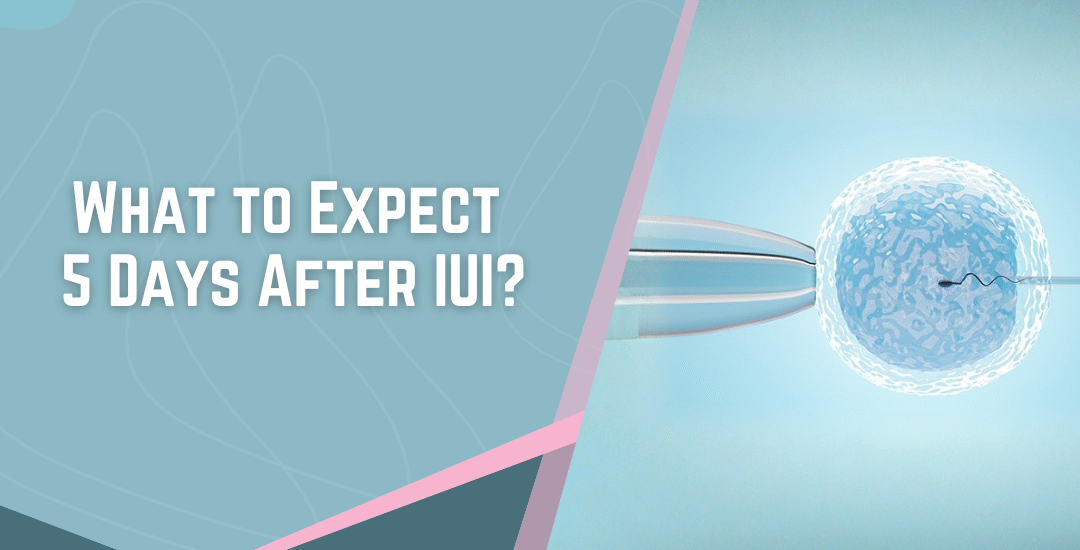
Undergoing intrauterine insemination (IUI) is an exciting step in your fertility journey, and while it may be filled with anticipation, it’s essential to understand what can happen in the days following the procedure. Five days after IUI is often a pivotal time where subtle symptoms may start to appear, and understanding these signs can help you navigate the waiting period with more clarity. Dr. Prajna Shetty, a leading Fertility Specialist in Nerul, breaks down what you can expect and when to seek advice.
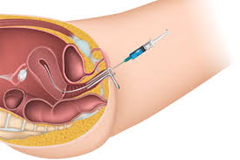
Early Signs 5 Days After IUI
By day five post-IUI, the body is starting to respond to the treatment. While everyone’s experience is different, a few early signs may emerge:
Light spotting or bleeding
Some women experience light spotting due to the hormone treatments or the IUI procedure itself. This is usually not a cause for concern but should be monitored.
Cramping
Mild cramping or discomfort in the lower abdomen is common as the body adjusts to the process of ovulation and implantation.
Breast tenderness
Hormonal changes can lead to swollen or tender breasts, which may feel sensitive or sore.
Increased cervical mucus
Some women notice changes in their cervical mucus around this time, which may be thicker or more abundant due to hormone fluctuations.
What Happens After the Egg Meets the Sperm?

In the period that follows IUI, the sperm is trying to fertilize the egg, and in this case, the fertilized egg could start moving through the fallopian tubes towards the uterus. This is an important and critical stage as the egg is about to implant in the uterine lining in case it gets fertilized. It is likely that, in this period, nothing much is happening to you, but it is essential to know about the early symptoms that would now start to present.
Early Pregnancy Signs to Watch For
It’s important to note that implantation typically occurs between 6-12 days after IUI, but some women may start noticing very early signs of pregnancy as soon as five days after the procedure. These include:

Mild spotting (implantation bleeding)
As the embryo attaches to the uterine wall, some women experience light spotting. This is typically pink or brownish in color and is not heavy.

Fatigue
Increased levels of progesterone during the early stages of pregnancy may cause you to feel more tired than usual

Mood swings
As the embryo attaches to the uterine wall, some women experience light spotting. This is typically pink or brownish in color and is not heavy.

Nausea
Some women report feeling mild nausea during the early stages of pregnancy. This may be an early sign, although it’s more common around 6-7 days post-IUI.
When to Be Concerned: Signs to Watch For
Many of the symptoms that occur after IUI are normal. However, there are a few symptoms that necessitate your going to your Fertility Specialist. They are as follows:
Heavy bleeding
If you are having heavy bleeding, this could be an indicator of a possible complication such as a miscarriage. You should contact your doctor if the bleeding is heavy or painful.
Severe abdominal pain
Severe abdominal pain could be a sign of an ectopic pregnancy or ovarian hyperstimulation syndrome (OHSS), both of which are considered to be life-threatening.
Light headedness and fainting spells:
Light headedness or fainting spells, coupled with other symptoms, need to be brought to your doctor’s notice.
When to Test for Pregnancy
While it’s tempting to take a pregnancy test right away, it’s important to wait until the right time for the most accurate result. Testing too early can lead to a false negative, as the hormone levels necessary for a positive test may not be high enough. Dr. Prajna Shetty recommends waiting at least 10-14 days after IUI for the most accurate result.
If you are experiencing any unusual symptoms or have concerns about your IUI treatment, don’t hesitate to contact Dr. Prajna Shetty for personalized advice and guidance.
What to Do After IUI: A Few Tips
Rest and Relax
It’s essential to take care of your body after IUI. Avoid strenuous activity and try to relax as much as possible.
Monitor Your Symptoms
Keep track of any symptoms you experience, including spotting, cramping, or other changes. This will be helpful when discussing your progress with your Fertility Specialist.
Monitor Your Symptoms
Keep track of any symptoms you experience, including spotting, cramping, or other changes. This will be helpful when discussing your progress with your Fertility Specialist.
Stay Positive
IUI can be an emotional rollercoaster, so take care of your mental health and give yourself time to relax.
Conclusion
The fifth day following IUI is an critical period during which mild symptoms are likely to begin manifesting. Although symptoms associated with pregnancy might be triggered, there is a need to observe and consult the Fertility Specialist in case one observes anything unusual. Being aware of the expected symptoms might allow one to confidently deal with the next stages of the reproductive journey.
FAQs
Q. Is spotting or bleeding on the 5th day after IUI normal?
Indeed, light spotting may occur post-IUI procedures, especially with hormonal changes or implantation. But do monitor it and see a doctor if it is coming in heavy.
Q. Can I feel pregnancy symptoms 5 days after IUI?
It’s possible to feel early pregnancy signs such as fatigue or mild nausea, but these symptoms are often not definitive. It’s best to wait until the appropriate time to take a pregnancy test.
Q. What if I am in pain following IUI treatment?
Answer – If you are having extreme pain, heavy vaginal bleeding, or other symptoms that are concerning you, you should call your Fertility Specialist.
Q. When should an IUI follow a pregnancy test?
Answer: It is best to wait for at least 10 to 14 days before conducting a pregnancy test for an accurate result through IUI