
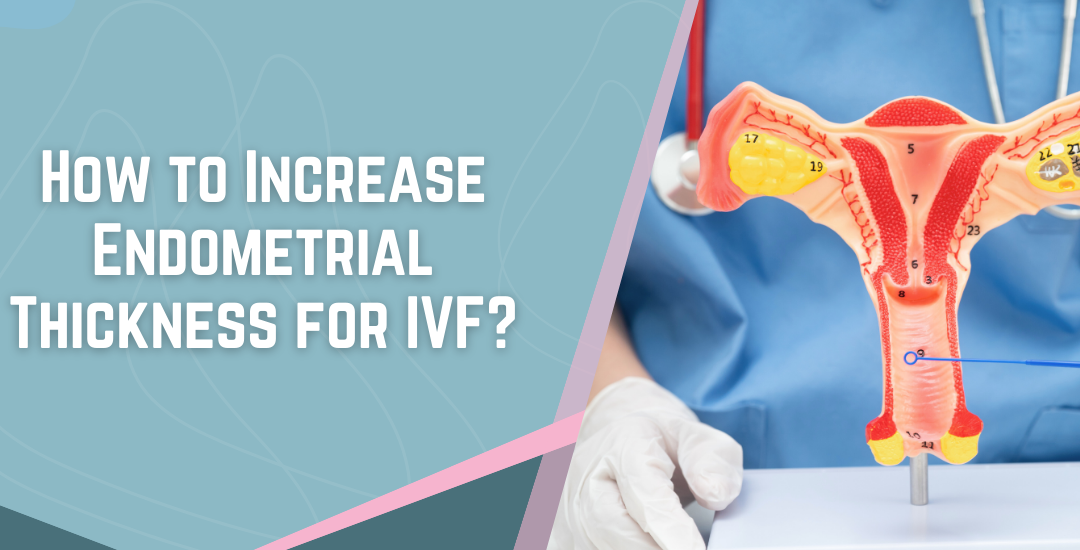
Preparing for IVF involves several important steps, and one of the most critical factors for success is the health of the uterine lining. The endometrium, which is the inner lining of the uterus, plays a vital role in helping the embryo implant and grow. If the lining is too thin, implantation may become difficult, which can affect the chances of pregnancy.

Many women undergoing fertility treatment worry about how to improve their endometrial thickness before embryo transfer. Dr. Prajna Shetty, a trusted Fertility Specialist in Nerul, explains that with the right combination of medical treatment, nutrition, and lifestyle changes, it is possible to improve the uterine lining and support a healthy IVF cycle.
Why Endometrial Thickness Matters in IVF
The endometrium is the lining your embryo implants into. When it’s too thin — typically under 7mm — implantation becomes significantly harder. Most fertility specialists aim for a lining between 8mm and 12mm at the time of transfer, with a trilaminar (three-layer) pattern on ultrasound.
Causes of a thin lining range from low oestrogen, poor blood flow to the uterus, and scarring from previous procedures (like a D&C), to certain medications that suppress lining growth. Identifying the cause first saves time.

Evidence-Based Ways to Improve Endometrial Thickness
1. Optimise Your Oestrogen Protocol
2. Improve Uterine Blood Flow
3. Consider Platelet-Rich Plasma (PRP) Infusion
4. Address Any Structural Conditions Intrauterine
5. Lifestyle Factors That Actually Make a Difference
When to Consult a Fertility Specialist
If the uterine lining remains thin despite treatment, it is important to consult a fertility expert for further evaluation.
You should seek medical guidance if:
IVF cycles have failed due to implantation issues
Endometrial thickness remains below optimal levels
You have a history of uterine surgeries or infections
You experience irregular menstrual cycles
A fertility specialist can perform additional tests such as ultrasound scans or hysteroscopy to determine the exact cause and recommend appropriate treatment.
Conclusion
Endometrial thickness is a major factor in determining the efficacy of IVF treatment. The woman uterine lining should be in good health to offer the most suitable conditions for embryo implantation and development of pregnancy. Although a thin endometrium is regarded as a tough situation as far as treatment is concerned, there are quite a number of medical therapies along with supportive lifestyle methods which can facilitate the thickening of the lining.