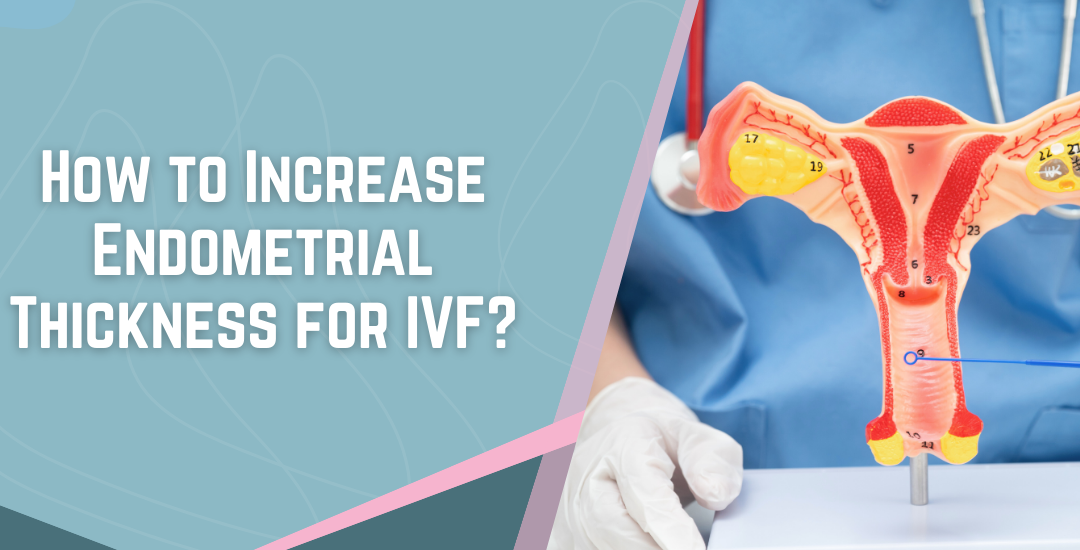
Preparing for IVF involves several important steps, and one of the most critical factors for success is the health of the uterine lining. The endometrium, which is the inner lining of the uterus, plays a vital role in helping the embryo implant and grow. If the lining is too thin, implantation may become difficult, which can affect the chances of pregnancy.

Many women undergoing fertility treatment worry about how to improve their endometrial thickness before embryo transfer. Dr. Prajna Shetty, a trusted Fertility Specialist in Nerul, explains that with the right combination of medical treatment, nutrition, and lifestyle changes, it is possible to improve the uterine lining and support a healthy IVF cycle.

Why Endometrial Thickness Matters in IVF

The endometrium is the lining your embryo implants into. When it’s too thin — typically under 7mm — implantation becomes significantly harder. Most fertility specialists aim for a lining between 8mm and 12mm at the time of transfer, with a trilaminar (three-layer) pattern on ultrasound.

Causes of a thin lining range from low oestrogen, poor blood flow to the uterus, and scarring from previous procedures (like a D&C), to certain medications that suppress lining growth. Identifying the cause first saves time.

Evidence-Based Ways to Improve Endometrial Thickness

E

1. Optimise Your Oestrogen Protocol

Oestrogen drives lining growth. If you’re on a frozen embryo transfer (FET) cycle, your doctor may adjust the type, dose, or duration of oestrogen — oral, patches, or vaginal — to see what your uterus responds to best. Some women do significantly better switching from tablets to patches or gel, since absorption differs.
E

2. Improve Uterine Blood Flow

Adequate blood supply is just as important as hormones. A few approaches your doctor might recommend: Sildenafil (Viagra) vaginal suppositories — used off-label, but there’s reasonable evidence it improves blood flow to the uterus. Low-dose aspirin — often prescribed to thin the blood and improve pelvic circulation. Pentoxifylline + Vitamin E — sometimes used in cases of uterine scarring or radiation damage.
E

3. Consider Platelet-Rich Plasma (PRP) Infusion

PRP involves concentrating growth factors from your own blood and infusing them into the uterine cavity. It’s a newer option, used mostly for women with a consistently thin lining that doesn’t respond to hormones. Results are promising in select cases — ask your specialist whether you’re a candidate.
E

4. Address Any Structural Conditions Intrauterine

adhesions, also known as Asherman’s syndrome, fibroids protruding into the uterine cavity, or polyps, can interfere with the proper growth of the lining. The best way to identify and deal with such problems is through a hysteroscopy. The American Society for Reproductive Medicine reports that uterine cavity abnormalities are detected in as many as 15% of women who are being evaluated for fertility.
E

5. Lifestyle Factors That Actually Make a Difference

Quit smoking — nicotine directly constricts uterine blood vessels. Stay warm and active — gentle exercise improves pelvic circulation. Work on stress — chronic stress elevates cortisol, which can suppress reproductive hormones. A note on timing: Most interventions take at least one full cycle to show effect on the lining. Don’t rush the process — giving your body time to respond is part of the plan.

When to Consult a Fertility Specialist

If the uterine lining remains thin despite treatment, it is important to consult a fertility expert for further evaluation.

You should seek medical guidance if:

IVF cycles have failed due to implantation issues
 Endometrial thickness remains below optimal levels
 You have a history of uterine surgeries or infections
 You experience irregular menstrual cycles

A fertility specialist can perform additional tests such as ultrasound scans or hysteroscopy to determine the exact cause and recommend appropriate treatment.

Conclusion

Endometrial thickness is a major factor in determining the efficacy of IVF treatment. The woman uterine lining should be in good health to offer the most suitable conditions for embryo implantation and development of pregnancy. Although a thin endometrium is regarded as a tough situation as far as treatment is concerned, there are quite a number of medical therapies along with supportive lifestyle methods which can facilitate the thickening of the lining.

Frequently Asked Questions

What is the ideal endometrial thickness for IVF?
Generally, the ideal endometrial thickness for IVF ranges from 7, 12 mm, as such thickness can provide an excellent environment for the embryo to implant.
Can endometrial thickness increase naturally?
Indeed, healthy lifestyle habits like having a balanced diet, better blood circulation, and stress reduction may, together with medical treatment, stimulate endometrial growth.
Does thin endometrium mean IVF will fail?
No, not really. A number of women with thin endometrium that undergo medical treatment and are properly monitored manage to make the lining thicker before transferring the embryo.
How long does it take to improve endometrial thickness?
Different individuals require different time. In most cases, uterine lining may be enhanced with medications and treatments within one or two menstrual cycles.
Call Now Button