
Experiencing bleeding 10 days after embryo transfer can be alarming, but it’s important to understand that not all bleeding is a sign of a problem. As a leading Fertility Specialist in Nerul, Dr. Prajna Shetty provides expert guidance to help patients navigate this concern with confidence. Let’s explore the common causes and considerations around bleeding post-embryo transfer.
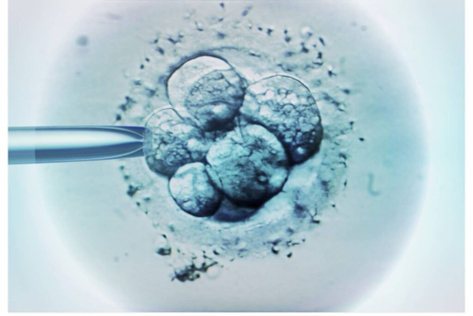
Causes of Bleeding After Embryo Transfer

Bleeding after an embryo transfer can happen for a variety of reasons, including hormonal fluctuations, implantation bleeding, or even the body’s response to the transfer process itself.
Hormonal Fluctuations
Hormonal changes can occur after an embryo transfer, causing light spotting or bleeding. Progesterone and estrogen levels fluctuate to help the embryo implant, sometimes leading to minor bleeding.
Implantation Bleeding
Implantation bleeding occurs when the embryo embeds itself in the uterine lining. This light bleeding is typically seen around the 10-day mark and is usually harmless.
Irritation from the Transfer Procedure
The embryo transfer process itself can sometimes irritate the cervix or the uterine lining, leading to light bleeding or spotting after the procedure.
Early Pregnancy Loss or Ectopic Pregnancy
In some cases, bleeding could indicate a miscarriage or an ectopic pregnancy. If the bleeding is heavy or accompanied by pain, further evaluation is necessary.
Types of Bleeding: Spotting vs. Heavy Bleeding
Spotting refers to light bleeding or small amounts of blood that might be noticed as brown or pinkish discharge, often occurring around the time of implantation. On the other hand, heavy bleeding, especially when accompanied by cramping or pain, could indicate a potential complication, such as a miscarriage or ectopic pregnancy. Understanding these distinctions is essential in evaluating the severity of the situation.
When to Be Concerned About Bleeding
While light spotting can be a normal part of the process, heavy bleeding or bright red blood might indicate a more serious issue, such as a miscarriage or a failed embryo implantation. It’s critical to contact your Fertility Specialist in Nerul, Dr. Prajna Shetty, if you experience significant bleeding or severe cramps during this phase of treatment.
Heavy or Persistent Bleeding
If the bleeding is heavy, bright red, and does not stop after a few hours, it’s essential to seek immediate medical attention to rule out a miscarriage or other complications.
Severe Cramps or Pain
Cramps or pain accompanied by heavy bleeding can be a sign of serious complications, such as an ectopic pregnancy or miscarriage.
Fainting or Dizziness
If bleeding is accompanied by dizziness, fainting, or weakness, it may be a sign of a more severe condition, requiring immediate consultation with your fertility specialist.
Possible Reasons for Bleeding 10 Days After Transfer
On the tenth day, implantation bleeding becomes one of the most probable causes for light spotting. This occurs because of the embedding of the embryo into the wall of the uterus. Yet, there could be other causes for this phenomenon, such as imbalance in the hormone, due to the irritation of transfer, or in some instances, due to the loss of early pregnancy.
If you’re experiencing bleeding after your embryo transfer or have concerns about your fertility treatment, don’t hesitate to reach out
What to Do if You Experience Bleeding
Rest and Relax
If you experience light bleeding, resting and avoiding strenuous activity can help. It’s essential to listen to your body and follow your fertility specialist’s instructions.
Monitor the Bleeding
Keep track of the bleeding, noting the amount, color, and duration. This information will help your doctor assess the situation more accurately.
Consult Your Fertility Specialist
If you experience heavy bleeding, severe cramps, or any other concerning symptoms, contact your fertility specialist immediately for evaluation and guidance.
Conclusion
A few people could attest that bleeding after 10 days of embryo transfer is a common experience. However, one must be very observant and well-informed. From light spotting to some other concerning form of bleeding, one should seek help from the Fertility Specialist in Nerul, Dr. Prajna Shetty, for peace of mind or for the smooth continuation of her treatment.
FAQs
Is light bleeding normal post-embryo transfer?
Oh yes, light spotting may happen and is commonly associated with implantation; however, it’s always important to monitor the amount and report to the doctor if increased.
When Should You Contact Your Specialist?
In case of heavy bleeding, along with severe contraction pains or in presence of some other symptoms such as feeling dizzy, it is necessary to consult your specialist at once.
Can bleeding affect the chances of a successful pregnancy?
Minor bleeding typically does not affect pregnancy outcomes, but heavier bleeding or complications might. It’s best to seek medical advice for your specific case.
What about when the bleeding persists for longer than several days?
Bleeding should be assessed by your fertility doctor depending on whether it is continuous.
Is a missed period a possible reason for post-embryo-transfer bleeding?
Yes, bleeding may be possible if the body starts its own cycle, but you should check with your specialist if there might be other causes.