

Repeated IVF Failure Treatment in Nerul, Navi Mumbai
For couples struggling with infertility, the journey is often filled with questions, doubts, and endless ‘what ifs.’ IVF usually becomes that ray of light they cling to, offering hope when everything else feels uncertain. But when multiple IVF attempts fail, the emotional toll can be immense—leaving couples anxious, questioning their decisions, and wondering if parenthood will ever be possible.
These experiences are not rare; globally, IVF success rates average around 30–35% per cycle, while in India, the rate is similar, depending on age and health conditions. Repeated IVF failure is a challenge, but advancements in fertility medicine continue to bring new strategies and renewed hope.
Dr. Prajna Shetty, an insightful Fertility Consultant in Nerul, shares:
“When IVF fails more than once, it’s not the end of the road. It simply means we need to dig deeper—look into factors like egg quality, uterine health, or sperm function. Every couple deserves clarity, and with the right evaluation, we can improve their chances of success.”
Contact Us
Common Causes and Risk Factors Behind Repeated IVF Failure

Embryo Quality
Embryos with chromosomal abnormalities may not implant successfully.

Egg Quality Decline
Age, especially after 35, affects egg health and increases the risk of abnormalities.

Sperm Factors
Poor motility, low count, or DNA fragmentation can contribute to failure.

Uterine Conditions
Fibroids, polyps, scar tissue, or endometrial issues may prevent implantation.

Immunological or Hormonal Imbalances
These can interfere with embryo attachment and growth.

Lifestyle Influences
Stress, smoking, alcohol, or being overweight can reduce success rates.
“Understanding why IVF fails repeatedly is the first step toward success. Each patient’s situation is unique, and a careful review of medical history, previous cycles, and diagnostic reports helps us tailor solutions. This personalized approach ensures no detail is overlooked.”
Dr. Prajna Shetty’s Diagnostic Approach for Repeated IVF Failure
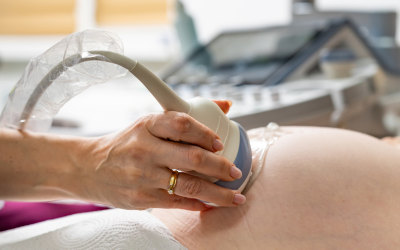
Advanced Imaging Tests
To check uterine lining, detect fibroids, adhesions, or endometrial problems.

Genetic Testing
For both partners, to rule out chromosomal or inherited conditions

Hormonal Evaluation
To detect thyroid dysfunction, insulin resistance, or other imbalances.
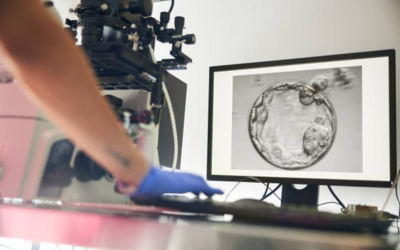
Embryo Analysis
Preimplantation genetic testing (PGT) can help select healthier embryos.
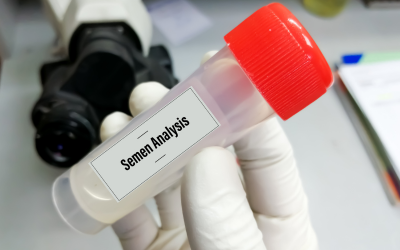
Semen Analysis
Beyond count and motility, advanced tests look at sperm DNA integrity.
Dr. Prajna Shetty, a compassionate Fertility Specialist in Nerul, says:
“When IVF fails more than once, it’s not just about trying again with the same approach. We need to look deeper and understand what’s really happening. By carefully checking the uterus, hormones, genetics, embryos, and even the quality of sperm, we often uncover issues that were silently holding back success. A thorough diagnosis gives us the chance to tailor treatment and offer couples renewed hope.”
Advanced Treatment Options for Improving IVF Success Rates
ICSI (Intracytoplasmic Sperm Injection)
Instead of leaving fertilization to happen naturally in the lab, a single healthy sperm is carefully injected into the egg. This helps when sperm quality or movement is the challenge.
Laser-Assisted Hatching:
Sometimes, embryos struggle to break through their outer shell before attaching to the womb. A tiny laser creates a small opening, making implantation easier.
Endometrial Receptivity Testing (ERA):
The timing of embryo transfer is crucial. This test helps pinpoint the exact window when the womb lining is most ready to welcome an embryo.
Fertility-Enhancing Surgeries:
Conditions like fibroids, scar tissue, or uterine polyps can silently interfere with pregnancy. Small corrective surgeries can restore a healthier environment for embryos.

Donor Options:
When eggs or sperm are not suitable due to age or quality, using donor eggs or sperm can give couples a renewed chance at success.
Holistic Support:
Beyond medical procedures, lifestyle changes, nutrition guidance, and stress management play a big role in improving results.
Dr. Prajna Shetty, a compassionate IVF Specialist in Nerul, assures:
“Repeated implantation failure doesn’t mean a couple is out of options. We now have advanced tools—genetic testing, precision timing, and specialized procedures—that allow us to fine-tune every step. Our focus is always on offering the safest, most effective path forward.”
Wondering how advanced options can make a difference after repeated IVF failure? Speak to a fertility professional for guidance on the best way forward.
Of course, one concern couples often have is about the cost. Let’s address that next.
Cost of Repeated IVF Failure Treatment in Nerul, Navi Mumbai
Insurance coverage differs from one provider to another. Some may cover certain aspects of fertility investigations or treatments, while others may not. It’s always best to review your policy carefully to understand the financial support available.
Beyond cost, many couples want to know what makes one specialist stand out…
Why Choose Dr. Prajna Shetty?
Choosing a fertility specialist is a deeply personal decision. Couples trust Dr. Prajna Shetty not just for her expertise, but for her unwavering commitment to every patient’s journey.
Personalized Care
Every couple receives a treatment plan designed specifically for them.
Hands-on Involvement
From diagnosis to embryo transfer, she remains directly engaged.
Evidence-Based Practice
Her treatments are guided by the latest global research and protocols.v
Holistic Support
She understands the emotional impact and offers both medical and emotional guidance.
15+ Years of Expertise
With extensive experience in handling complex infertility cases, she brings both skill and empathy.

Looking for answers after repeated IVF setbacks? Consult a fertility specialist who can provide clarity, compassion, and advanced solutions tailored to you.
Still have questions about your situation? Don’t worry… we’ve got you covered.
Frequently Asked Questions
1. How many IVF failures are considered “repeated”?
Most doctors define repeated IVF failure as two or more unsuccessful IVF cycles. At this stage, a detailed evaluation is recommended to identify underlying causes. Acting early can improve future chances
2. Does lifestyle really affect IVF success?
Yes, habits like smoking, alcohol use, and poor sleep can reduce fertility and embryo quality. Simple lifestyle changes can sometimes improve IVF outcomes. Combining medical and lifestyle care gives the best results.
3. Can stress alone cause IVF to fail?
Stress does not directly cause IVF failure, but it can impact hormones and overall health. High stress levels may also affect adherence to treatment. Managing stress through counseling or relaxation techniques supports overall success.
4. Should I change clinics after repeated IVF failure?
Not always. Sometimes, the right approach at the same clinic with advanced testing can make a big difference. However, if you feel unheard or unsupported, seeking a second opinion may help.
5. Is donor egg or sperm the only option after multiple failures?
No, donor options are just one of many possible solutions. Many couples succeed with their own eggs and sperm once the root issues are addressed. Donor use is suggested only when other approaches are unlikely to succeed.