

ICSI Treatment in Nerul, Navi Mumbai
Dr. Prajna Shetty, an empathetic Fertility Consultant in Nerul, says:
“ICSI has given us the ability to help couples even when sperm quality or quantity is significantly compromised. It’s not just about placing sperm into an egg—it’s about giving life a chance when nature throws challenges our way. Every case is unique, so the science must be combined with careful, individualized care.”
“Infertility isn’t just a medical condition—it’s an emotional journey that affects every aspect of a person’s life. With the right diagnosis, compassionate care, and advanced reproductive technologies, we can turn uncertainty into hope and help couples take confident steps toward parenthood.”
Contact Us
Fertility Issues Treated with ICSI by Dr. Prajna Shetty
Here are the common situations where ICSI proves beneficial:
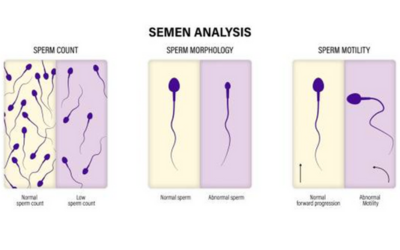
Severe male-factor infertility
Low sperm count, poor motility, or abnormal shape can hinder fertilization, but ICSI bypasses these challenges by directly injecting a single sperm into an egg.
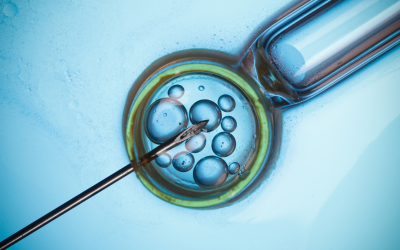
Previous IVF failure
Even when egg quality is good, sometimes fertilization doesn’t occur in traditional IVF. ICSI can overcome this hurdle.
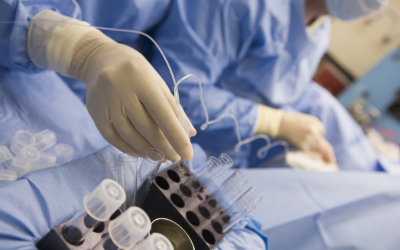
Sperm retrieval procedures
In cases where sperm must be surgically retrieved (like TESA or PESA), ICSI maximizes the chances of successful fertilization.
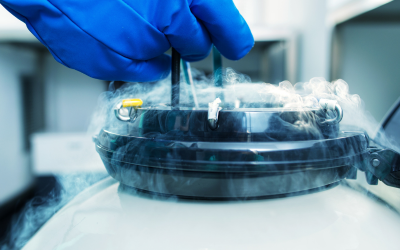
Use of frozen sperm or eggs
Freezing can sometimes affect sperm motility; ICSI ensures fertilization despite this.

Unexplained infertility
When no clear reason for infertility is found, ICSI may be recommended after other treatments fail.
Dr. Prajna Shetty, a skilled Reproductive Endocrinologist in Nerul, shares:
“Sometimes the most advanced technology is not about doing more—it’s about doing exactly what’s needed at the right time. That’s where ICSI comes in, especially for couples who’ve been told they have very limited chances otherwise.”
Dr. Prajna Shetty’s Approach to ICSI Treatment

Comprehensive assessment
Detailed history, hormone analysis, and advanced sperm testing to understand the underlying issue.

Customised protocols
Medication doses, stimulation schedules, and lab techniques are adapted to each patient’s profile.

Precision lab techniques Communication:
Partnering with skilled embryologists ensures that every egg and sperm handled during the ICSI process receives optimal care.

Emotional support
Providing clarity at each stage, reducing anxiety, and ensuring couples feel heard throughout their journey.
“A couple’s fertility journey can be stressful, and uncertainty can make it harder. My role is to provide scientific clarity while also ensuring they never feel alone in the process. Each treatment plan is a partnership.”
ICSI Procedure and Recovery Under Dr. Prajna Shetty’s Guidance
- Ovarian stimulation
The female partner receives hormone injections to encourage the development of multiple eggs.
- Egg retrieval
The IVF team collects eggs through a minor procedure under ultrasound guidance.
- Sperm collection or retrieval
A semen sample is obtained, or sperm is surgically retrieved if needed.
- Sperm preparation
The healthiest and most motile sperm are selected for injection.

- Micromanipulation
Using advanced microscopes, a single sperm is carefully injected into each mature egg.
- Embryo culture
Embryos (fertilized eggs) are monitored for growth in a controlled lab environment.
- Embryo transfer
The best-quality embryo(s) are placed into the uterus to attempt implantation. Recovery is generally quick, with most women resuming normal activities the next day. Light cramping or spotting may occur after egg retrieval or embryo transfer.
Dr. Prajna Shetty, an accomplished Laparoscopic Gynec Surgeon and Fertility Expert in Nerul, says:
“ICSI is a blend of science and precision artistry. Every step, from choosing the right sperm to nurturing the embryo, is critical to increasing the likelihood of a healthy pregnancy.”
Cost of ICSI Treatment in Nerul, Navi Mumbai

Diagnostic tests
Hormone panels, semen analysis, and ultrasound scans.
Medications
Procedures
Egg retrieval, sperm retrieval, micromanipulation, and embryo transfer.
Number of cycles
Consultation and follow-up
Ongoing evaluations and support throughout the process.
Why Choose Dr. Prajna Shetty for ICSI Treatment in Nerul, Navi Mumbai
Choosing a fertility specialist is a deeply personal decision. Couples trust Dr. Prajna Shetty not just for her expertise, but for her unwavering commitment to every patient’s journey.
Extensive experience
Over 15 years in reproductive medicine, with a strong track record in complex cases.
End-to-end involvement
She personally oversees each stage of the treatment.
Evidence-based care
Every protocol is guided by the latest global research.
Clear communication ensures informed decision-making.
Holistic support
Recognising that emotional wellbeing is just as important as medical intervention.

Want a fertility journey guided by both expertise and empathy? Reach out to a trusted reproductive health professional to discuss your next steps.
Frequently Asked Questions
1. Does ICSI only help with severe male infertility?
Not always. While it’s commonly used for low sperm count or poor motility, ICSI can also help in cases of previous IVF failure, unexplained infertility, or when using frozen eggs or sperm.
2. How’s the sperm injection procedure different from IVF?
3. Can ICSI improve success rates for older couples?
It can help when sperm-related issues are involved, but egg quality still plays a major role. Older age may require additional strategies alongside ICSI.
4. Is the ICSI procedure painful?
Egg retrieval is done under sedation, so discomfort is minimal. Some mild cramping may be experienced afterward.
5. Are there any risks to the baby with ICSI?
Research shows that ICSI is generally safe, but as with any medical procedure, there may be a slightly increased risk of certain conditions. Your doctor will explain these in detail before treatment.